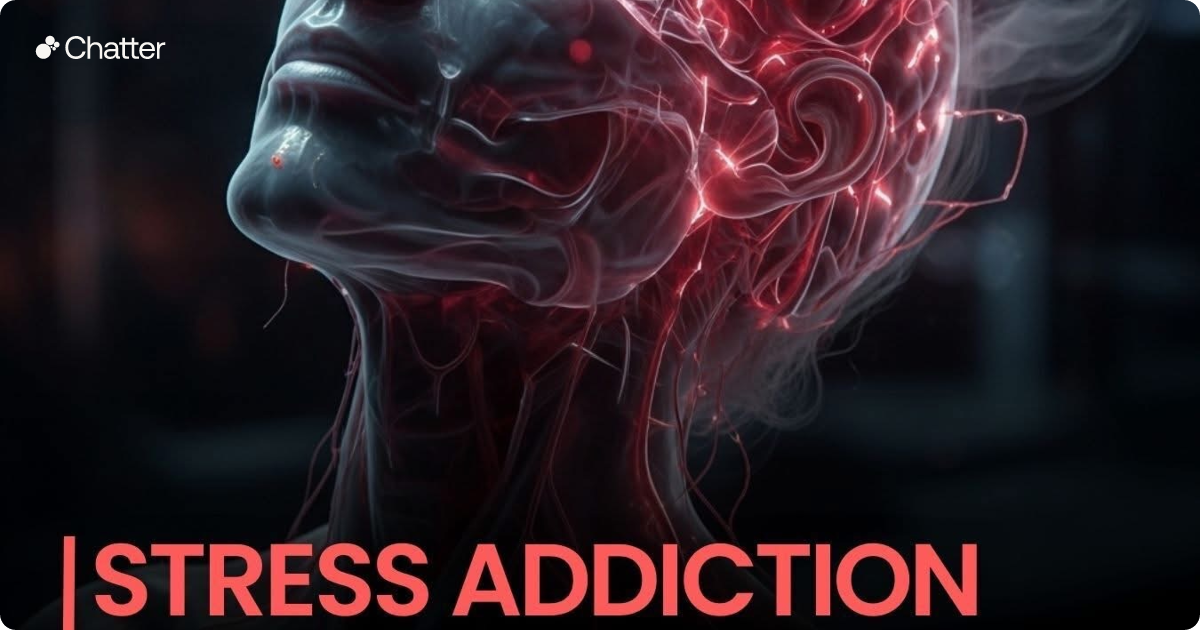
“If resting feels uncomfortable or even unsettling, it could be a sign that your brain is addicted to stress. Our nervous system becomes accustomed to the high-alert state caused by constant stress, and when that stimulation disappears, it can feel strange or empty. This is why some people struggle to relax, even during downtime.
Chronic stress rewires the brain, making stress hormones like cortisol and adrenaline feel “normal.” Over time, the body begins to crave the physiological buzz of stress, and simple rest can feel boring, anxious, or unsatisfying. Recognising this pattern is the first step toward retraining the brain to enjoy calm.
Mindfulness practices, meditation, and structured relaxation techniques can help break the cycle. By gradually teaching the brain that rest is safe and rewarding, you can reduce dependency on stress and improve both mental and physical well-being. Understanding that your discomfort is a learned response—not a flaw—empowers you to reclaim…”
“If resting feels uncomfortable or even unsettling, it could be a sign that your brain is addicted to stress. Our nervous system becomes accustomed to the high-alert state caused by constant stress, and when that stimulation disappears, it can feel strange or empty. This is why some people struggle to relax, even during downtime.
Chronic stress rewires the brain, making stress hormones like cortisol and adrenaline feel “normal.” Over time, the body begins to crave the physiological buzz of stress, and simple rest can feel boring, anxious, or unsatisfying. Recognising this pattern is the first step toward retraining the brain to enjoy calm.
Mindfulness practices, meditation, and structured relaxation techniques can help break the cycle. By gradually teaching the brain that rest is safe and rewarding, you can reduce dependency on stress and improve both mental and physical well-being. Understanding that your discomfort is a learned response—not a flaw—empowers you to reclaim…”